ANNUAL HEALTH CHECKS & VACCINATIONS

Annual Health Checks & Vaccinations
It’s not just about what’s due. It’s about how your pet is doing

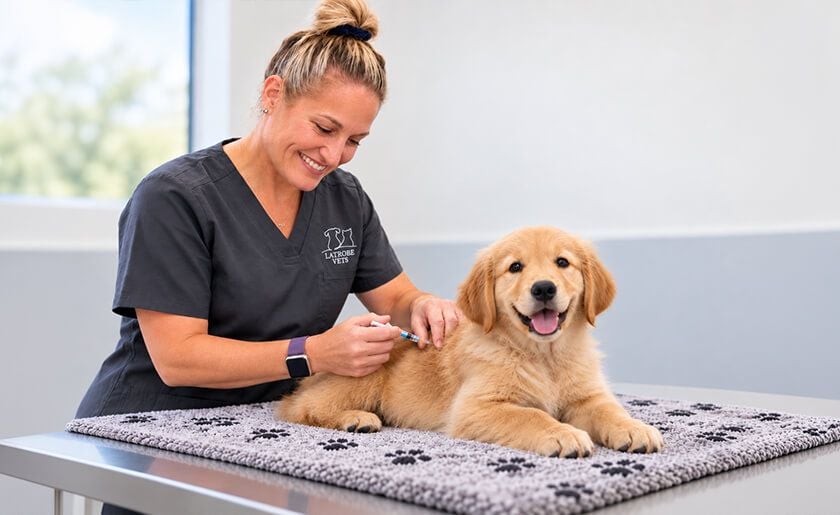
For many healthy adult pets, their annual visit may be the only time we see them all year. That makes it an important opportunity to do much more than simply give a vaccination.

At Latrobe Vets, we see vaccinations as one part of your pet’s overall preventative healthcare. During their visit, we take the time to check how they are really going, look for changes that may not be obvious at home and talk about anything you have noticed since we last saw them.

Sometimes everything looks exactly as we would hope. Other times, a routine health check can uncover an early warning sign that is worth monitoring or investigating.
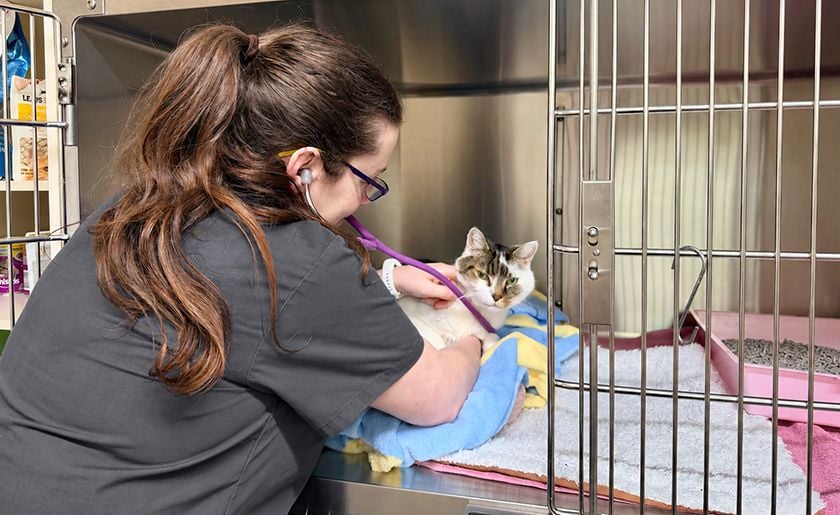
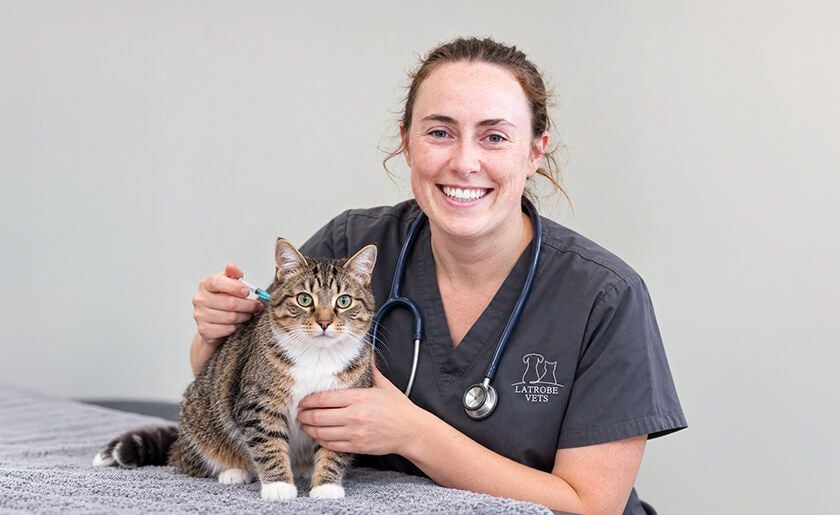
Our philosophy is simple: where possible, we would rather find a small problem early than wait until it becomes a much bigger one.

WHAT HAPPENS DURING AN ANNUAL HEALTH CHECK?

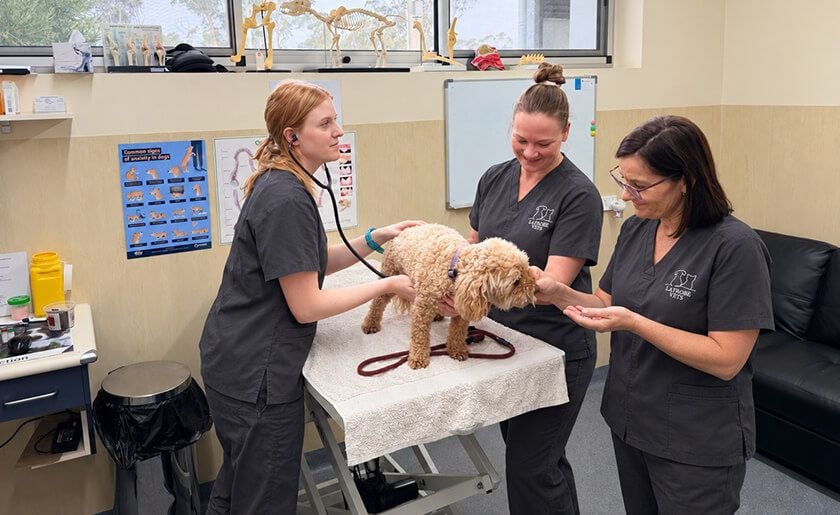
Your vet will carry out a thorough physical examination, looking at your pet from nose to tail.

We will also ask how things are going at home.

Has your pet’s appetite changed? Are they drinking more? Have they gained or lost weight? Are they slower getting up, reluctant to jump or less interested in exercise? Have you noticed bad breath, a new lump or a change in behaviour?

These small observations can be important because you know your pet better than anyone.
Depending on your pet, this can include checking:
Weight and Body Condition
Teeth and Gums
Eyes and Ears
Skin and Coat
Heart and Lungs
Abdomen
Joints, Movement and Mobility
Lumps, Bumps or Other changes
Overall Comfort and Behaviour
Early Detection Matters

Why Early Detection Matters

Dogs and cats cannot tell us when something feels slightly different, and many animals are very good at hiding discomfort or carrying on despite illness.

That means a condition may begin developing well before there are obvious signs at home.

During an annual examination, we might notice something such as a heart murmur, early dental disease, an unexpected weight change, reduced joint movement or a lump that was not there previously.

Finding something does not automatically mean there is a serious problem. It simply gives us the opportunity to ask more questions, monitor it or investigate further where appropriate.

That early intervention approach is something we feel strongly about.

Rather than waiting until a problem has progressed, we want to identify the red flags early. Prevention is often better for your pet, easier for you and kinder on your wallet than dealing with a health problem once it has become more serious.

Vaccinations are Part of Preventative Healthcare

Vaccinations are Part of Preventative Healthcare

Vaccinations help protect dogs and cats from potentially serious infectious diseases.

The vaccinations your pet needs will depend on factors including their:

  • Age
  • Previous vaccination history
  • Lifestyle
  • Environment
  • Individual health and risk factors

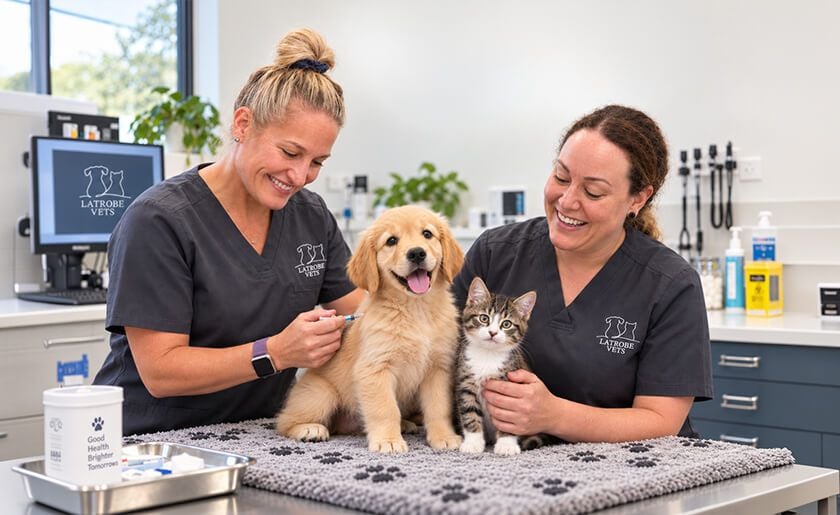
Young puppies and kittens need a series of vaccinations during their first few months while their immune systems are developing. They then move onto an ongoing adult vaccination program.

Before vaccinating your pet, we will examine them and make sure we are comfortable with their overall health.

That is why we prefer to think of these visits as an annual health check that includes vaccination, rather than simply a vaccination appointment.

PUPPY AND KITTEN VACCINATIONS

Puppy And Kitten Vaccinations

The protection puppies and kittens receive from their mother gradually declines during their first months of life. A carefully timed series of vaccinations helps provide protection while their own immune system develops.

If you have recently welcomed a puppy or kitten, bring along any vaccination records provided by the breeder, rescue group or previous veterinary practice.

We can review what has already been given and explain what your pet needs next and when.

After completing their initial course, their first adult vaccination is generally around 15 to 16 months of age, with ongoing vaccination recommendations made from there.

You can also learn more about everything we cover during those important early visits on our Puppy & Kitten Care page.

DOG VACCINATIONS

Vaccinations help protect dogs against a number of serious infectious diseases, some of which can cause severe illness or even be fatal.

The core viruses commonly covered include:

  • Parvovirus
  • Distemper
  • Hepatitis
  • Kennel cough (combination of Bordetella and Parainfluenza vaccines)
 

Parvovirus remains an important disease to protect against and can cause severe vomiting, diarrhoea, dehydration, and even sepsis, particularly in puppies.

Kennel cough is especially relevant for dogs that regularly mix with others, including those attending boarding facilities, grooming salons, dog parks, daycare or training.

Puppy vaccination schedule


A typical puppy vaccination course is:

  • 6 to 8 weeks
  • 10 to 12 weeks
  • 14 to 16 weeks
 

If your puppy received their first vaccination before 8 weeks of age, they may require a fourth vaccination so that their final vaccination is given at 16 weeks of age or older.

After the initial puppy course, ongoing boosters will depend on your dog’s age, vaccination history, lifestyle and individual risk factors.

If your dog attends boarding, daycare, grooming, training or other places where dogs regularly mix, it is also worth checking vaccination requirements ahead of time, as some facilities require proof that vaccinations are current.

CAT VACCINATIONS

Vaccination helps protect cats against several potentially serious infectious diseases.

The F3 vaccine includes:

  • Feline herpesvirus
  • Feline calicivirus
  • Feline panleukopenia (parvovirus)
 

Depending on your cat’s lifestyle and individual risk, additional vaccines may include:

  • Feline leukaemia virus (FeLV)
  • Chlamydia felis
  • Feline Immunodeficiency Virus (FIV)
 

Your vet can recommend which vaccinations are appropriate based on your cat’s age, previous vaccination history and whether they live entirely indoors, spend time outdoors or have contact with other cats.

Kitten vaccination schedule


A typical kitten vaccination course is:

  • 6 to 8 weeks
  • 10 to 12 weeks
  • 14 to 16 weeks
 

If your kitten received their first vaccination before 8 weeks of age, they may require an additional vaccination to ensure their final vaccine is given at 16 weeks of age or older.

After completing the kitten vaccination course, your vet will recommend the appropriate ongoing vaccination schedule for your cat.

RABBIT VACCINATIONS

Pet rabbits can be vaccinated against calicivirus, also known as rabbit haemorrhagic disease virus (RHDV).

This is a highly contagious disease that can be fatal.

Importantly, rabbits do not necessarily need direct contact with another rabbit to be exposed. The virus can also be spread indirectly through insects, contaminated materials, clothing or shoes, which means indoor rabbits can still be at risk.

Vaccination is therefore recommended for pet rabbits.

Rabbit vaccination schedule


Rabbits can be vaccinated from:

  • 10-12 weeks of age
 

Yearly boosters are recommended.

If you are unsure whether your rabbit is due for vaccination, speak with the Latrobe Vets team, and we can review their vaccination history and recommend the appropriate next step.

PREVENTATIVE CARE CHANGES AS YOUR PET DOES

Your pet’s healthcare needs will change throughout their life.

An annual visit gives us an opportunity to review other areas of preventative care such as parasite protection, nutrition, weight, dental health, mobility and behaviour.

The advice we give a young adult dog may be very different several years later.

For example, subtle stiffness may become worth investigating. A gradual weight change may affect joint health. Dental disease may be starting to develop. An older cat may no longer be jumping onto the bench, and while that can be easy to dismiss as ageing, it may actually indicate discomfort.

We don’t believe in assuming that changes are “just part of getting older” without considering whether there is something we can do to help.

HEALTH CHECKS FOR SENIOR PETS

As pets age, regular health monitoring becomes even more valuable.

From around seven years of age, your vet may recommend annual blood testing as part of your pet’s preventative healthcare, depending on their individual circumstances.

Blood tests can sometimes identify changes before your pet appears obviously unwell and give us a useful baseline to compare against in the future.

For pets living with chronic health conditions, we may recommend check-ups more frequently, often around every six months, so we can monitor their condition, medications, weight and overall wellbeing.

“Old Age” is not a diagnosis. There is often a great deal we can do to help senior pets remain comfortable, active and enjoying life.

YOU CAN FIND MORE INFORMATION ON OUR SENIOR PET CARE.

FREQUENTLY ASKED QUESTIONS

A LITTLE TIME ONCE A YEAR CAN TELL US A LOT

Your pet’s annual health check may feel routine, but it gives us a valuable chance to stop, look carefully and ask how they are really going.

Hopefully, we find nothing concerning at all.

And if something has changed, we would much rather know about it early.

Book your pet’s Annual Health Check & Vaccination with the Latrobe Vets team and let us help you keep them healthy, comfortable and enjoying life for as long as possible.
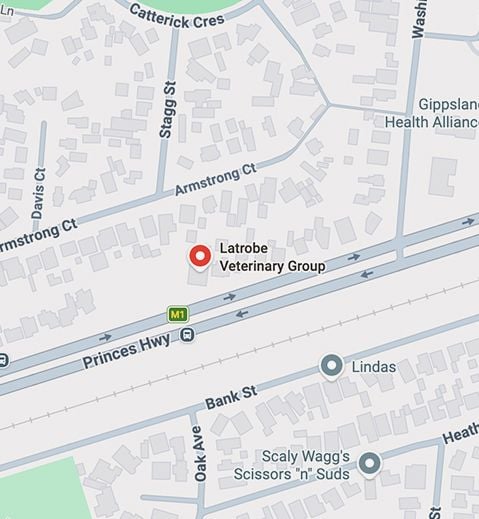
Visit Us at

Traralgon Clinic

Monday to Friday: 8am to 6pm
Saturday: 8am to 3pm
Sunday: 9am to 12pm

Visit Us at

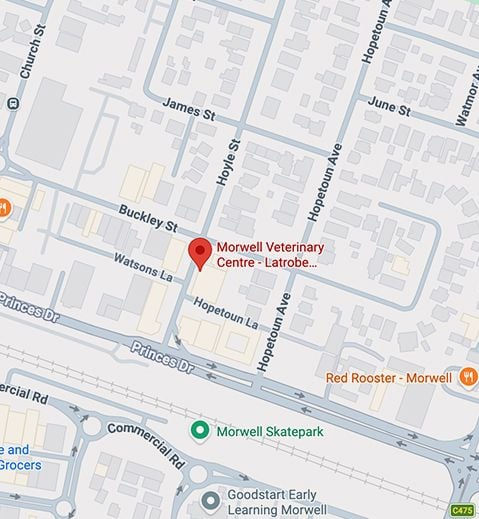
Morwell Clinic

Tuesday: 8am to 6pm
Wednesday: 8am to 6pm
Thursday: 8am to 6pm

Helping pets feel better, and owners feel supported

Independently owned veterinary care for cats, dogs, birds and small pets across the Latrobe Valley.

Follow Us

Proudly Independent