PET DENTISTRY

Pet Dentistry
Healthy mouths start before there is a serious problem

Bad breath, tartar and sore gums are not simply part of getting older.

Dental disease can be painful, can affect the way your pet eats and, if it progresses, may lead to infection and the need for more extensive treatment.

At Latrobe Vets, we are big believers in getting on top of dental problems earlier.

Rather than waiting until your pet has a very unhealthy mouth, loose teeth or obvious pain, we would rather identify dental disease sooner and help you manage it while there are still more options available.
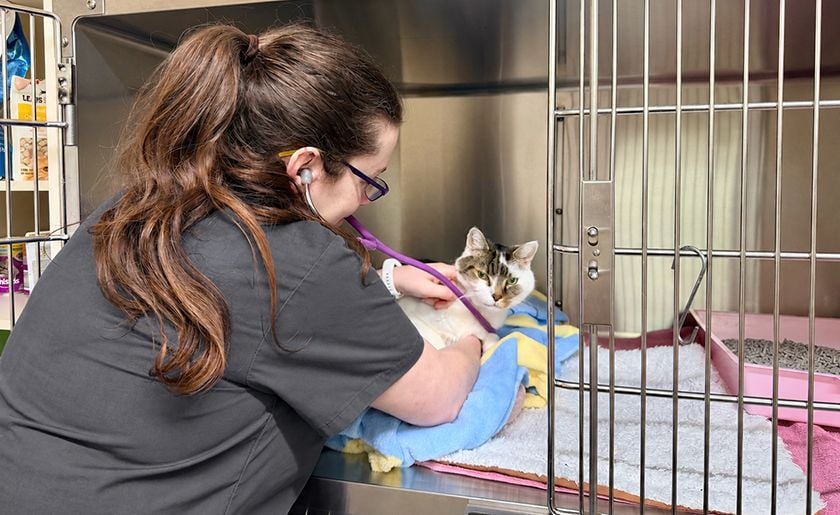
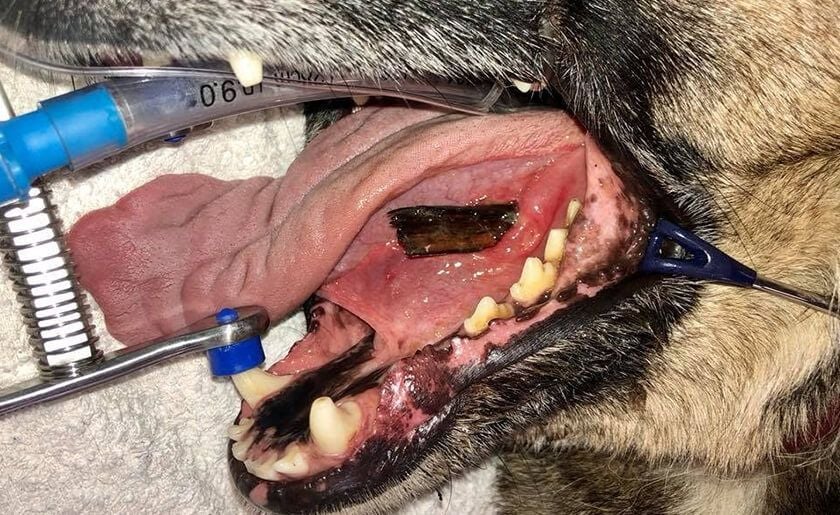
It is the same philosophy we apply throughout the clinic: prevention and early intervention are usually better for your pet, easier for you and often kinder on your wallet than dealing with a problem once it has become much more advanced.

HOW DO I KNOW IF MY PET HAS DENTAL DISEASE?

Dental disease is not always obvious, particularly in cats.

One important point the team raised is that a tooth falling out is not normal.

If an adult tooth becomes loose enough to fall out, there is likely to be significant dental disease affecting more than that one tooth.

And if your pet has persistent bad breath, it is worth investigating. Dental disease is a common cause, but bad breath can occasionally be associated with other health problems too.

Some of the signs to watch for include:
Persistent bad breath
Visible tartar or discolouration on the teeth
Red or inflamed gums
Bleeding around the mouth
Reluctance to eat hard food
Chewing on one side
Dropping food
Pawing at the mouth
Difficulty eating
Loose or missing teeth
Changes in appetite or behaviour
Cats can be Particularly Good at Hiding Dental Pain

Cats can be Particularly Good at Hiding Dental Pain

Cats are remarkably good at disguising discomfort.

They can also develop dental disease below the gum line, which means the full extent of the problem may not be obvious simply by looking into their mouth while they are awake.

A cat may still be eating while experiencing significant oral pain.

Subtle changes such as eating more slowly, preferring softer food, chewing differently or becoming less interested in food can all be worth mentioning.

This is one of the reasons regular dental checks are important, even when your cat does not appear obviously uncomfortable.

Dental Disease

Why We Prefer to Treat Dental Disease Earlier

Dental disease often progresses gradually.

Plaque develops, tartar builds up and inflammation can develop around the gums. Over time, disease can extend beneath the gum line and affect the structures supporting the teeth.

By the time a pet has severe bad breath, visibly loose teeth or difficulty eating, the dental disease may already be advanced.

Our preference is to intervene before we reach that stage.

Earlier professional cleaning can help remove plaque and tartar, assess the health of the teeth properly and give your home dental care a much better chance of working.

As Madeline explained in the meeting, brushing, dental treats and other home-care products are much more effective when they are starting with a clean mouth rather than trying to work against established dental disease.

HOW OFTEN SHOULD MY PET HAVE A DENTAL?

Pet Dental
There is no single answer that suits every dog or cat.

Some pets develop dental disease much more quickly than others.

Breed, mouth size, diet, genetics and home dental care can all influence how frequently professional cleaning may be recommended.

A large dog with naturally healthy teeth may need dental treatment far less often than a small breed that rapidly develops tartar and gum disease.

The team discussed that, for some pets, professional dental cleaning may be recommended annually, while others may need treatment more or less frequently depending on what is found at their health checks.

That is why we prefer to assess your pet's mouth and make an individual recommendation rather than applying one timetable to everyone.

COMPLIMENTARY NURSE DENTAL CHECKS

If you are unsure whether your pet's teeth need attention, you do not have to wait for their next annual appointment.

Latrobe Vets offers complimentary nurse dental checks.

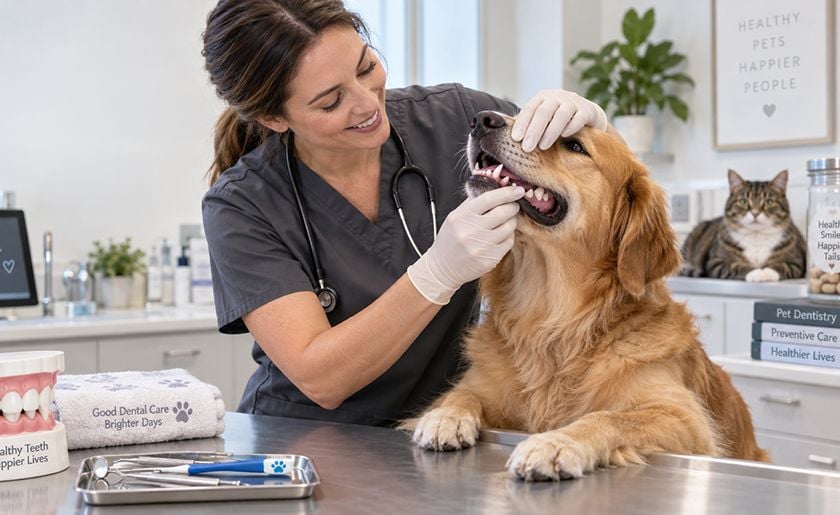
Our trained veterinary nurses can take a look at your pet's mouth, talk with you about what they can see and advise whether a veterinary dental assessment is recommended.

It is a simple way to get some guidance if you have noticed bad breath, tartar or another change and are not sure what to do next.

WHY DOES MY PET NEED AN ANAESTHETIC FOR DENTAL TREATMENT?

This is something the team feels strongly about.

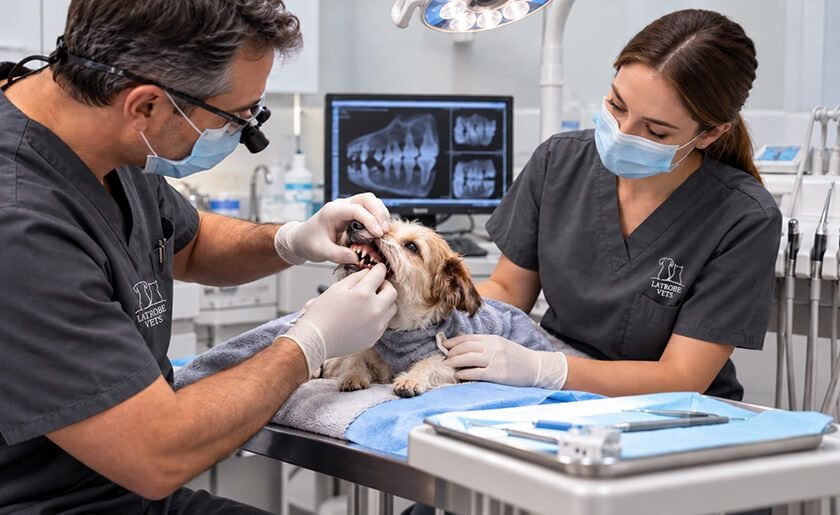
A proper veterinary dental procedure is not simply scraping visible tartar off the surface of the teeth.

A significant amount of dental disease can sit below the gum line, and that is the area we need to assess and treat properly.

Trying to thoroughly clean or examine a painful mouth while a pet is awake can also cause unnecessary stress and discomfort.

Under anaesthesia, we can:
  • Examine the entire mouth properly
  • Clean above and below the gum line
  • Assess each tooth
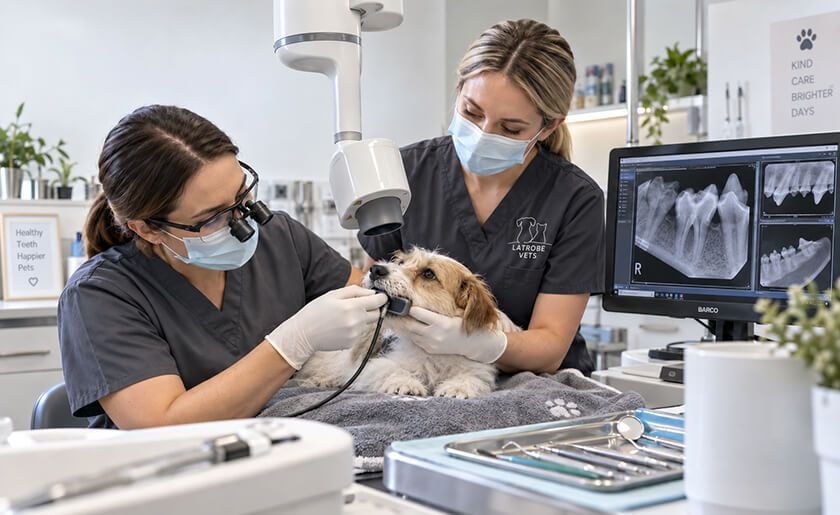
  • Take dental X-rays where needed
  • Safely treat painful or diseased teeth
  • Perform extractions if required
  • Keep your pet comfortable throughout the procedure

It also allows us to work carefully without creating a frightening experience that may make future veterinary visits much harder for your pet.

That fits closely with the clinic's low-stress approach. Comfort is not only about pain relief. Emotional stress matters too.

Dental X-rays

Dental X-rays help us see what is hidden

A tooth can look relatively normal above the gum line while disease is developing underneath.

Digital dental X-rays give us much more information about the roots, surrounding bone and areas that cannot be properly assessed by looking alone.

If we identify something during your pet's dental procedure that we believe needs further investigation, we will contact you and explain what we have found.

The team also discussed taking photos where helpful, so owners can better understand what is happening inside their pet's mouth and why additional treatment may be recommended.

Pet Teeth Remove

What if my pet needs teeth removed?

Sometimes, a dental procedure reveals teeth that are painful, damaged or too diseased to remain comfortably in the mouth.

If an extraction is recommended, it is because leaving that tooth in place is likely to cause ongoing pain or infection.

Our aim is not to remove teeth unnecessarily.

It is to leave your pet with a healthier and more comfortable mouth.

Many owners worry about how their pet will cope after an extraction, but dogs and cats generally adapt remarkably well once painful teeth are removed.

ANAESTHETIC MONITORING AND PATIENT SAFETY

Dental procedures require general anaesthesia, which means the same attention to patient safety applies as it does during surgery.

Our team closely monitors patients while they are under anaesthetic and throughout recovery.

Depending on the patient, this may include monitoring:
  • Oxygen saturation
  • Blood pressure
  • Heart rate
  • Breathing
  • Temperature

IV fluids and pre-anaesthetic blood testing may also be recommended depending on your pet's age, health and individual risk factors.

This is particularly important because dental patients are often older and may have other health conditions that need to be considered when planning anaesthesia.

The standard we work towards is the same one our vets would want for their own pets.

FREQUENTLY ASKED QUESTIONS

A HEALTHIER MOUTH CAN MAKE A REAL DIFFERENCE

Dental care is not simply about making your pet's breath smell better.

It is about preventing pain, identifying disease earlier and helping your pet eat and live comfortably.

If you have noticed bad breath, tartar, changes in eating or simply are not sure whether your pet's teeth need attention, book a complimentary nurse dental check or speak with our veterinary team.

The earlier we look, the more options we may have.
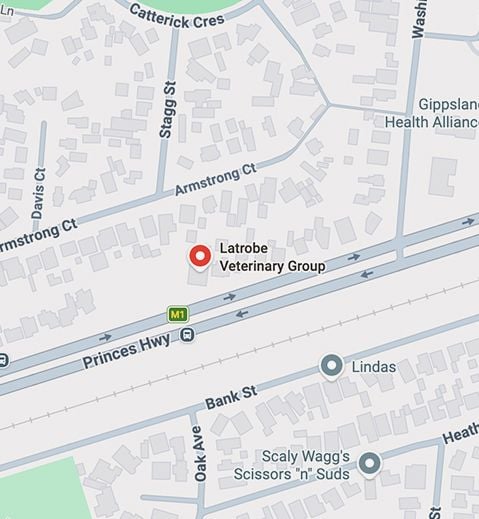
Visit Us at

Traralgon Clinic

Monday to Friday: 8am to 6pm
Saturday: 8am to 3pm
Sunday: 9am to 12pm

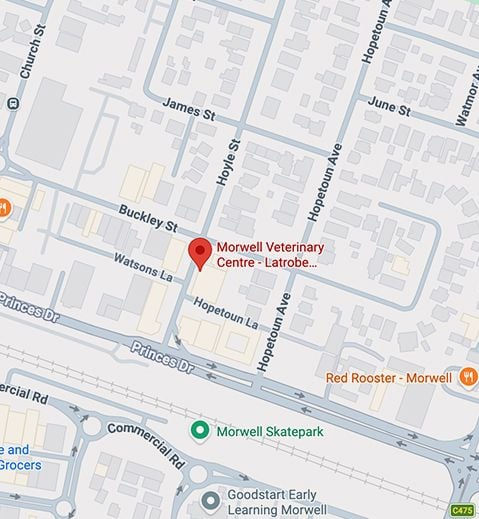
Visit Us at

Morwell Clinic

Tuesday: 8am to 6pm
Wednesday: 8am to 6pm
Thursday: 8am to 6pm

Helping pets feel better, and owners feel supported

Independently owned veterinary care for cats, dogs, birds and small pets across the Latrobe Valley.

Follow Us

Proudly Independent