DESEXING

Thoughtful care before, during and after surgery

Desexing is one of the most common surgical procedures pets have, but common does not mean something we treat casually.

At Latrobe Vets, we want owners to understand what happens on the day, how we keep their pet comfortable and why certain parts of the procedure, such as IV fluids, pain relief and monitoring, are built into the way we provide care.

Our approach is simple. If we believe something is part of good surgical care, we include it.
When should my pet be desexed?

There is no single age that is right for every dog, cat or rabbit.

Timing can depend on species, breed, size, sex, development and lifestyle. As a general guide:

  • Cats: around 6 months
  • Small breed dogs, under 10 kg: 6 to 12 months
  • Medium breed dogs, 10 to 25 kg: 12 to 18 months
  • Large and giant breed dogs, 25 kg+: 18 months or older
  • Rabbits: 4 to 6 months
 

These are general guidelines only. Your vet may recommend a different time depending on your individual pet, such as their breed or lifestyle risks.

This is particularly important with dogs, where expected adult size and breed can influence when desexing is most appropriate.

Rather than applying one rule to every animal, we prefer to discuss desexing as your pet grows and recommend a time that makes sense for them.

You can also read more about early preventative care on our Puppy & Kitten Care page.

What happens on the day?

Desexing is generally a day procedure.

Your pet is admitted in the morning and, provided recovery goes as expected, they are usually ready to go home by mid to late afternoon.

One of the things we feel is important is that you have an opportunity to speak with the vet who will be performing the procedure when your pet is admitted.

If you have any last-minute questions or concerns, you can discuss them before your pet comes into the hospital.

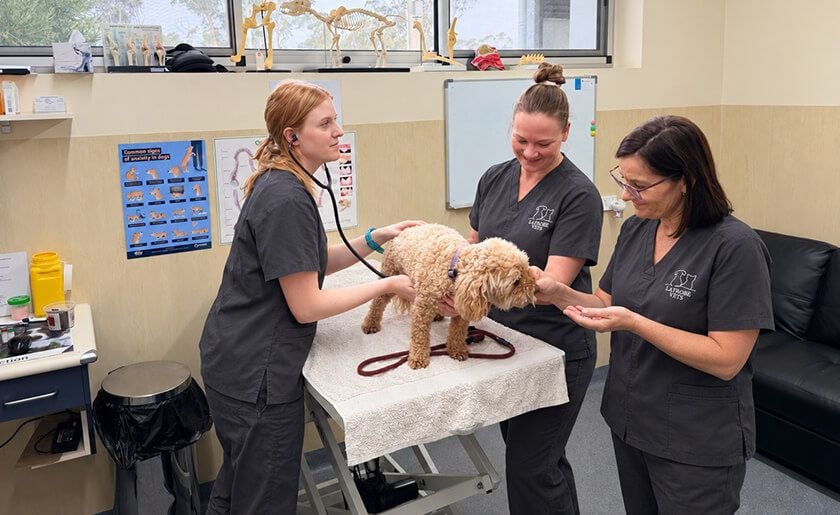
From there, your pet is prepared for surgery, anaesthetised, monitored closely throughout the procedure and cared for during recovery by our veterinary team.

Why do we include IV fluids?

IV fluids are included as part of our desexing package because we believe they are an important part of supporting your pet safely while they are under anaesthetic.

Anaesthesia can affect circulation and blood pressure, and IV fluids help us support the body while your pet is asleep.

They also give us immediate access to a vein if medication is needed during the procedure.

This is not something we want owners to have to decide whether to add or remove from the procedure. It is simply part of the standard of care we choose to provide.

ANAESTHETIC MONITORING MATTERS

Most healthy pets cope very well with anaesthesia, but no anaesthetic is completely without risk.

The reason monitoring matters is that if a patient's heart rate, oxygen levels, blood pressure or breathing begin to change, we want to know about it quickly.

During anaesthesia, our team closely monitors your pet from the time they are induced through to recovery.

Depending on the patient and procedure, this may include:
Oxygen saturation monitoring
Blood pressure monitoring
Heart rate monitoring
Respiratory monitoring
IV fluids
Dedicated nursing care during recovery

The majority of patients will never experience a complication. Good monitoring is about being prepared for the small percentage that may need additional support.

These are also the things our vets would want if their own pet was on the table.

SHOULD MY PET HAVE PRE-ANAESTHETIC BLOOD TESTS?

Pre-anaesthetic blood testing can give us additional information about your pet's general health before anaesthesia.

It may identify red flags that are not obvious during a physical examination, including changes that could affect how we approach anaesthesia or which medications we choose.

For young, healthy animals undergoing routine desexing, blood testing may be discussed as an additional option depending on the individual pet.

For other patients, particularly where there is a health concern or increased anaesthetic risk, your vet may recommend blood testing more strongly.


The purpose is not simply to run another test. It is to give us more information so we can make safer, better-informed clinical decisions.

Keeping Your Pet Comfortable

KEEPING YOUR PET COMFORTABLE

Pain management is part of the procedure, not an optional extra.

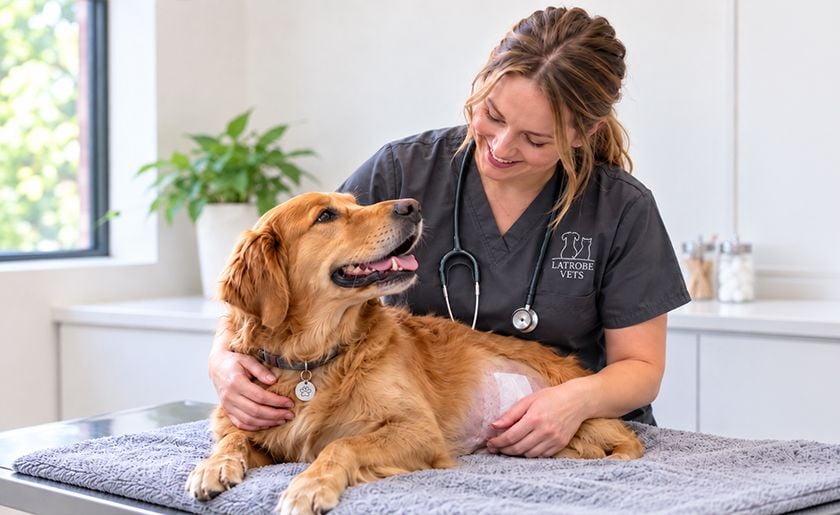
Your pet receives pain relief while in hospital, along with take-home pain medication so we can continue to keep them comfortable during recovery.

If your pet needs an Elizabethan collar, sometimes affectionately known as the "cone of shame", that is also included where appropriate.

Our goal is to make the whole experience as comfortable as possible, not simply complete the surgery and send your pet home.

WHAT HAPPENS WHEN I COLLECT MY PET?

When your pet is ready to go home, you will generally speak with the veterinary nurse who has been caring for them throughout the day.

They can explain how the procedure went, how your pet recovered and what you need to do at home over the following days.

You will receive instructions around:

  • Feeding
  • Activity and exercise
  • Wound care
  • Pain medication
  • Keeping the surgical site clean
  • What changes are normal after anaesthesia
  • Signs that should prompt you to contact us

It is completely normal to think of more questions once you get home.

If something does not look right or you are unsure about your pet's recovery, contact us. Your care does not end when you walk out the clinic door.

Follow-up Care Is Part Of The Process

FOLLOW-UP CARE IS PART OF THE PROCESS

We like to see your pet again after surgery to make sure everything is healing as expected.

A complimentary post-operative check is included, along with suture removal where required.

Even when there are no sutures to remove, that follow-up gives us an opportunity to check the wound, assess your pet's recovery and answer any questions that have come up at home.

For us, good surgical care includes the follow-through.

FREQUENTLY ASKED QUESTIONS

DESEXING WITH CARE BUILT IN

Desexing may be a routine procedure, but your pet is never routine to you, and we do not want them treated that way.

From the admission conversation with your vet, through anaesthesia, monitoring, pain relief, nursing care and follow-up, our aim is to make the procedure as safe, comfortable and well-supported as possible.

If you would like to discuss desexing for your puppy, kitten, dog, cat or rabbit, speak with our team about the timing that is right for your pet.

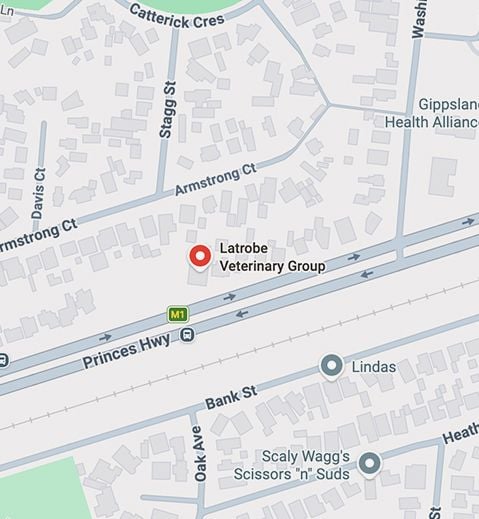
Visit Us at

Traralgon Clinic

Monday to Friday: 8am to 6pm
Saturday: 8am to 3pm
Sunday: 9am to 12pm

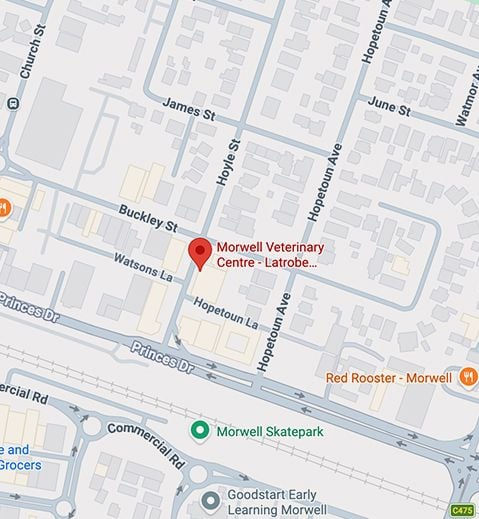
Visit Us at

Morwell Clinic

Tuesday: 8am to 6pm
Wednesday: 8am to 6pm
Thursday: 8am to 6pm

Helping pets feel better, and owners feel supported

Independently owned veterinary care for cats, dogs, birds and small pets across the Latrobe Valley.

Follow Us

Proudly Independent