SENIOR PET CARE

Senior Pet Care
Age is not a diagnosis

As pets get older, it is easy to put changes down to age.

They are slowing down.
They are sleeping more.
They are not jumping like they used to.
They seem a little quieter.
They have lost some weight.

Sometimes those changes are part of ageing. Sometimes they are signs that something else is going on.

At Latrobe Vets, we do not believe “they are just old” is enough of an answer.
Older pets often need more attentive care, not less. There can be a great deal we can do to improve comfort, manage chronic disease and help them continue enjoying life.

WHEN IS A PET CONSIDERED SENIOR?

Preventative Monitoring Senior Pet
There is no single age that suits every animal, but from around seven years of age we start thinking more carefully about age-related changes and preventative monitoring.

*Cats age differently- mature is usually 7-10 and senior is 10+

Breed, size, species and medical history all influence when a pet is considered senior.

A large dog may show signs of ageing earlier than a smaller dog, while cats can remain outwardly youthful for a long time even when underlying changes are developing.

This is why we prefer to look at the individual pet rather than the number alone.

WHY SENIOR PETS NEED CLOSER MONITORING

Senior pets are more likely to develop conditions that may not be obvious at first.

These can include:
  • Arthritis and mobility problems
  • Dental disease
  • Endocrine disease
  • Kidney disease
  • Liver disease
  • Changes in weight
  • Hormonal conditions
  • Heart disease
  • Changes in appetite or drinking
  • Cognitive or behavioural changes

The challenge is that many of these conditions can begin quietly.

A pet may still be eating, walking and behaving relatively normally while something is starting to change internally.

That is why regular senior health checks can be so valuable.

SENIOR HEALTH CHECKS

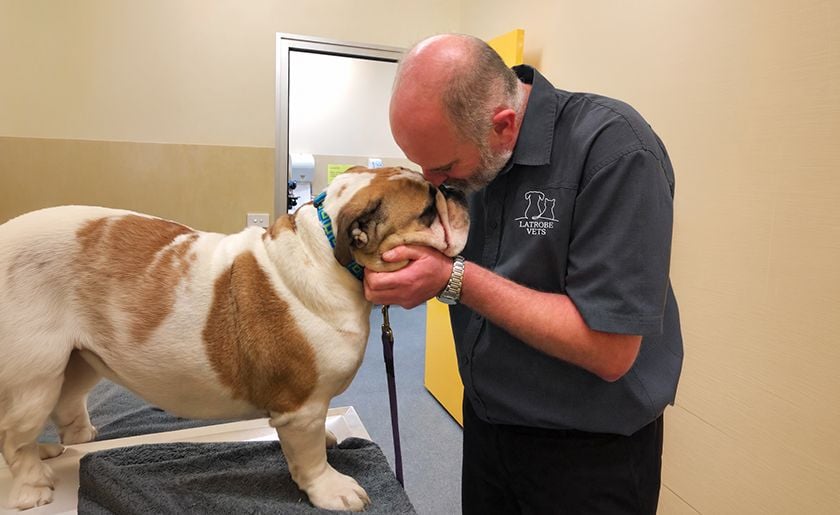
A senior health check gives us an opportunity to look at your pet as a whole and compare how they are doing over time.


Just as importantly, we want to hear what you have noticed at home.

You know your pet best.

Small changes such as taking longer to get up, drinking more, eating differently or avoiding stairs can sometimes tell us a lot.

Your vet may assess:
Weight and body condition
Muscle condition
Teeth and gums
Heart and lungs
Joints and mobility
Skin and coat
Lumps and bumps
Abdomen
Appetite and drinking
Toileting habits
Behaviour
Medications
Overall comfort and quality of life

BLOOD TESTS CAN HELP US LOOK BENEATH THE SURFACE

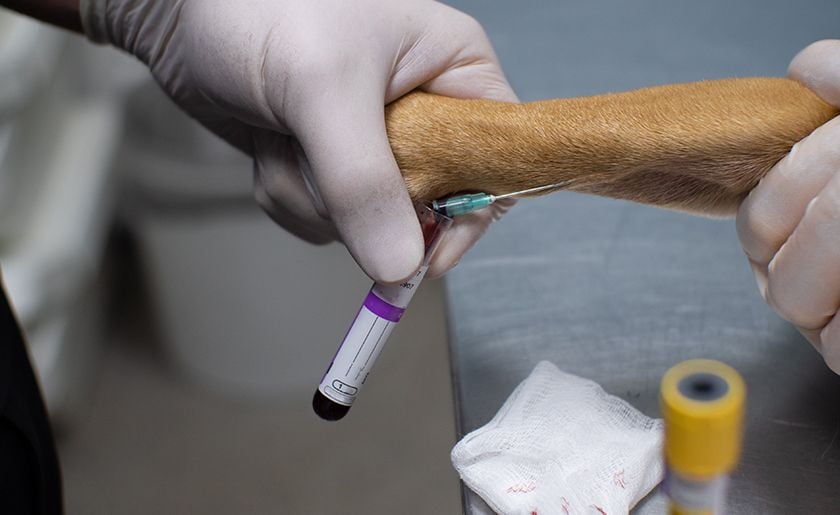
From around seven years of age, your vet may recommend annual blood testing as part of your pet’s senior healthcare.

Blood tests can help us look for changes in areas such as kidney function, liver function, blood sugar and other indicators of internal health.

Sometimes the results are completely normal, which gives us a useful baseline.

At other times, they may identify something before your pet is obviously unwell.

That does not automatically mean there is a serious problem. It gives us an opportunity to investigate, monitor or make changes earlier.

That early intervention approach is a big part of how we care for senior pets.

Blood Tests Can Help Us Look Beneath The Surface

CHRONIC CONDITIONS MAY NEED MORE FREQUENT CHECKS

If your older pet is living with a chronic health condition, waiting a full year between appointments may be too long.

For senior pets living with an ongoing condition, we may recommend check-ins around every six months rather than waiting a full year.

These reviews are less about repeating the same examination and more about asking:
  • Is the condition stable?
  • Is the current treatment still working?
  • Are there new symptoms or side effects?
  • Has your pet’s weight changed?
  • Do medications need adjusting?
  • Is further blood, urine or blood pressure monitoring needed?

The aim is to stay ahead of the condition where possible and make small adjustments before your pet becomes noticeably unwell.

Mobility support, pain relief and other treatment

Slowing down is Worth Investigating

One of the strongest messages from the team was not to assume reduced mobility is simply part of getting old.

A dog that is slower to get up may be sore.

A cat that no longer jumps onto the bench may be uncomfortable.

A pet that has stopped doing something they once did easily is worth looking at more closely.

Arthritis is extremely common in older pets, but there are many ways we may be able to help.

These can include weight management, supplements, exercise changes, mobility support, pain relief and other treatment options.

You can read more on our Arthritis & Mobility Care.

Pet Behaviour Mentioning

Behaviour Changes are Worth Mentioning

Behaviour can change as pets age, but it is important not to assume every change is “just old age”.

Tell us if your pet:

  • Seems confused
  • Becomes restless at night
  • Starts toileting differently
  • Becomes more anxious
  • Withdraws from the family
  • Becomes irritable
  • Sleeps much more
  • Stops enjoying things they used to love
 

Pain, illness and age-related cognitive changes can all affect behaviour.

Sometimes relatively small changes to treatment, routine or environment can make a meaningful difference.

Pet Weight Management

Changes in Weight Can Tell Us a Lot

Weight changes in older pets should not be ignored.

Unexpected weight loss may be linked to illness, while weight gain can place additional strain on joints and mobility.

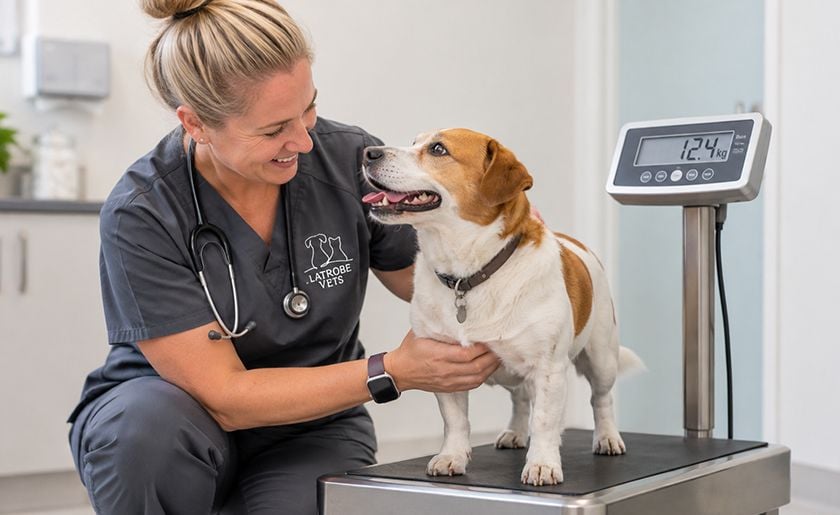
Tracking weight over time helps us identify gradual changes that are easy to miss at home.

It also allows us to adjust nutrition and treatment plans as your pet’s needs change.

Pet Dental Health

Dental Health Still Matters

Dental disease is also common in senior pets.

And because dogs and cats can continue eating despite significant oral pain, it can be easy to underestimate how uncomfortable a mouth has become.

Bad breath, changes in chewing, dropping food, preferring softer food or visible tartar are all worth mentioning.

Older age does not mean dental pain should simply be tolerated. View more on our dental services >

Where treatment is recommended, we will consider your pet’s overall health, discuss anaesthetic risk and use the monitoring and diagnostic support needed to make the safest plan possible.

QUALITY OF LIFE MATTERS AS MUCH AS LONGEVITY

Senior care is not simply about trying to make pets live as long as possible.

It is about helping them live well.

That means looking at comfort, mobility, appetite, interaction, sleep, enjoyment and the things that make your pet feel like themselves.

There is so much more we can do for older pets than owners realise.

  • Sometimes that means treatment.
  • Sometimes it means monitoring.
  • Sometimes it means adjusting expectations and focusing on comfort.

The important thing is having the conversation.

FREQUENTLY ASKED QUESTIONS

MORE CARE, NOT LESS

Getting older does not mean there is nothing more to do.

In many cases, it means there is more reason to look carefully.

Regular checks, early blood testing where appropriate, closer monitoring of chronic disease and paying attention to subtle changes can all help us keep senior pets comfortable for longer.

If your pet is getting older, slowing down or simply not quite themselves, book a senior health check.

Age is part of the picture.

It should never be the whole diagnosis.
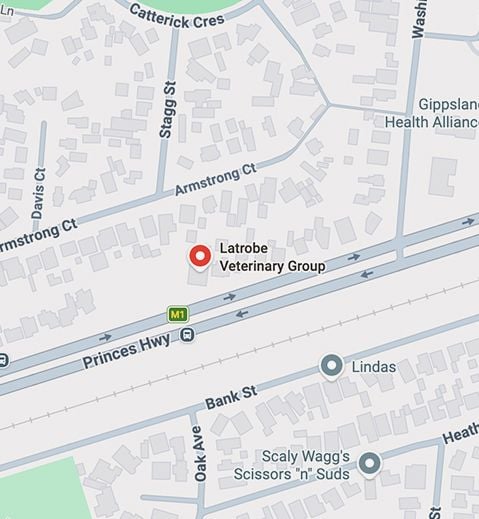
Visit Us at

Traralgon Clinic

Monday to Friday: 8am to 6pm
Saturday: 8am to 3pm
Sunday: 9am to 12pm

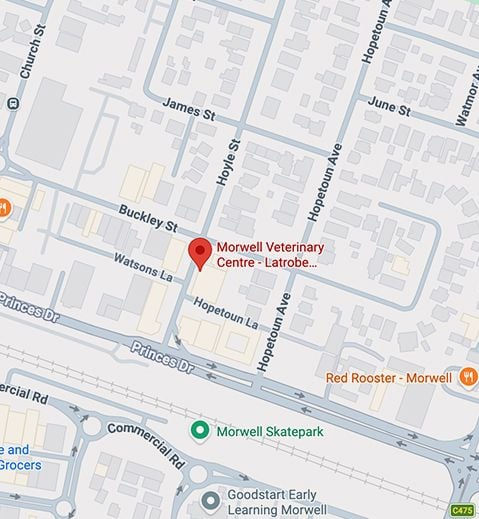
Visit Us at

Morwell Clinic

Tuesday: 8am to 6pm
Wednesday: 8am to 6pm
Thursday: 8am to 6pm

Helping pets feel better, and owners feel supported

Independently owned veterinary care for cats, dogs, birds and small pets across the Latrobe Valley.

Follow Us

Proudly Independent