VETERINARY SURGERY

Veterinary Surgery
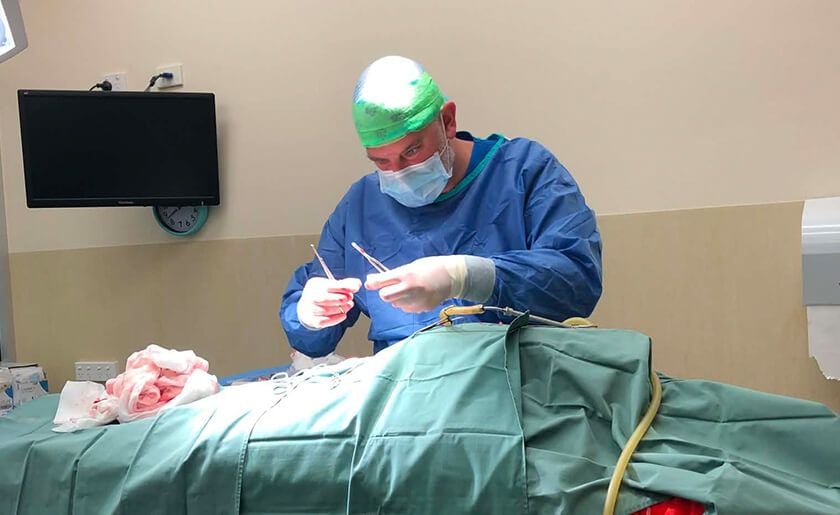
Surgery with a higher level of care around it

When your pet needs surgery, it is completely normal to feel nervous.

At Latrobe Vets, we focus on much more than the procedure itself. We think carefully about what happens before, during and after surgery, from deciding whether surgery is the right option, through anaesthesia and monitoring, to pain relief, recovery and follow-up care.

We have deliberately built a thorough level of monitoring and support into the way we care for surgical patients. Some of these details are things owners may never see, but they can make an important difference to how safely and comfortably a pet moves through a procedure.
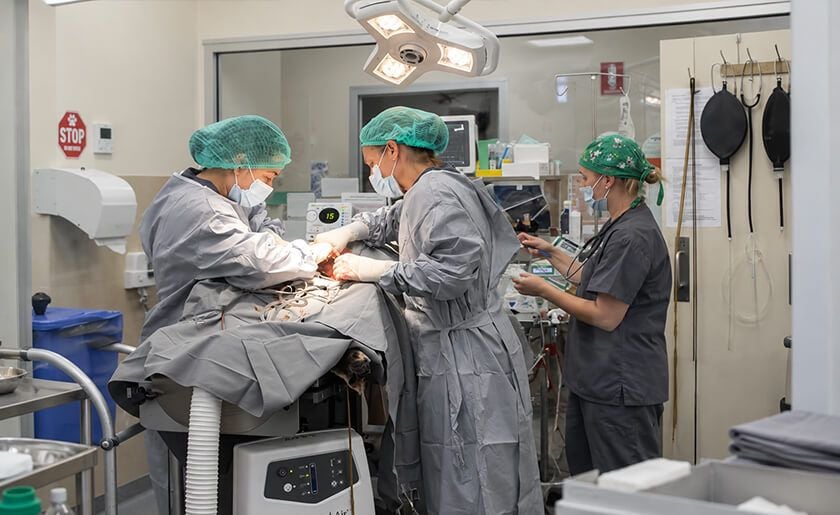
Our vets often come back to a simple question: if this were our own pet on the table, what would we want in place?
That mindset shapes the way we approach every surgical patient.

WHAT TYPES OF SURGERY DO WE PERFORM?


Every patient is assessed individually.

Some procedures are straightforward. Others can become more complex once we investigate further.

Our priority is always to decide what is safest and most appropriate for your pet, rather than attempting a procedure simply because it has been presented to us.

Our veterinary team performs many of the surgical procedures commonly required in general practice, including:
Desexing
Removal of lumps and masses
Wound repair
Abscess and infection management
General soft-tissue surgery
Selected emergency procedures
Gastrointestinal surgery, including some foreign-body obstructions
Other procedures that are appropriate for our team's experience and facilities
Surgical Care

The Little Things We don't Think are Little

There are many parts of surgical care that happen behind the scenes.

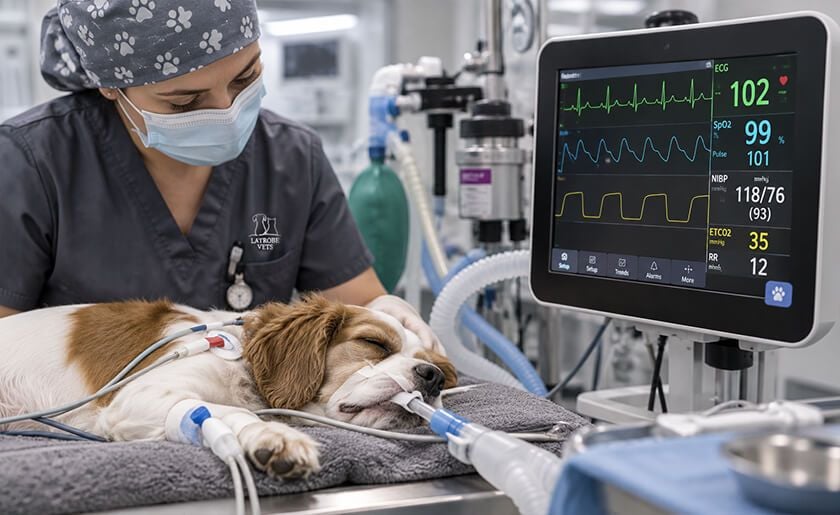
Monitoring, IV access, pain relief, nursing supervision and careful recovery may not be the first things an owner thinks about when booking surgery, but they matter enormously to us.

That is why we pay close attention to:

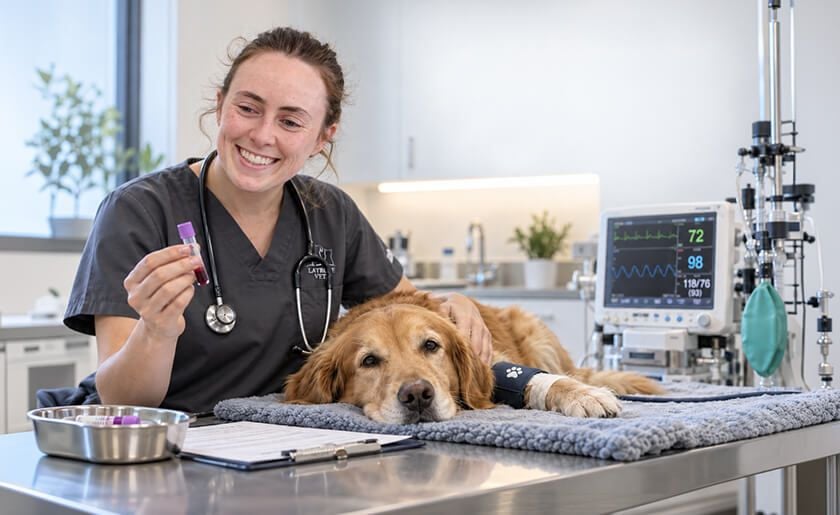
  • Anaesthetic monitoring
  • Oxygen saturation
  • Blood pressure
  • Heart rate
  • Breathing
  • Temperature
  • IV fluid support where appropriate
  • Pain relief
  • Nursing observation during recovery
 

These are not details we include to make the process sound impressive.

They are simply part of the standard of care we believe your pet deserves.

Anaesthetic Monitoring

Why Anaesthetic Monitoring Matters

Most pets cope very well with anaesthesia, but no anaesthetic is completely without risk.

The important thing is being able to recognise changes early.

A pet may look stable from the outside while their blood pressure, oxygen level or breathing is beginning to change. If you are not monitoring those things, you may not know there is a problem developing.

That is why our patients are monitored closely from induction through to recovery.

The majority of animals will never experience a complication, but good monitoring means we are better placed to respond quickly if something does change.

This is especially important for older pets, animals with existing health conditions and patients undergoing more involved procedures.

A purpose-built surgical environment

A purpose-built surgical environment

Our clinic has a dedicated sterile surgical suite, along with additional treatment areas for appropriate non-sterile procedures.

The facilities were purpose-built for veterinary care and are supported by modern monitoring and diagnostic equipment.

Depending on the case, we can also access:

  • Comprehensive in-house blood testing
  • Blood gas analysis
  • Blood pressure monitoring
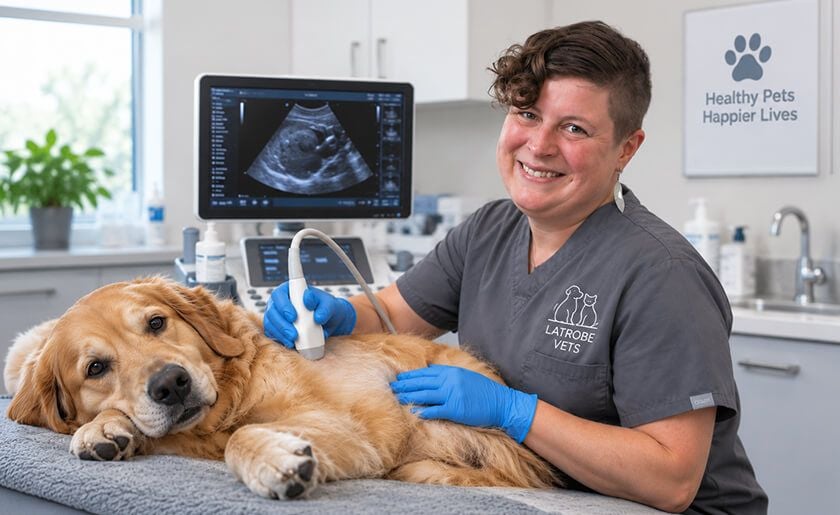
  • Ultrasound
  • Digital diagnostic equipment
  • Point-of-care testing
 

Having this technology available within the clinic can give us important information quickly, particularly when a patient is unwell or surgery is urgent.

The real value of the equipment is not simply that we have it. It is that it helps us make better-informed decisions sooner.

Pre-anaesthetic testing

Pre-anaesthetic testing: knowing more before we begin

A physical examination tells us a great deal, but it cannot show us everything happening inside your pet's body.

Before some procedures, your vet may recommend pre-anaesthetic blood testing.

These tests can help us look for changes in organ function and other health indicators that may influence how we approach anaesthesia.

Sometimes the results simply provide reassurance.

At other times, they may prompt us to:

  • Adjust medication choices
  • Modify the anaesthetic plan
  • Investigate further
  • Postpone surgery until we understand something better

It is another example of the way we prefer to practise, finding the red flags before they become a bigger problem where possible.

KEEPING YOUR PET COMFORTABLE

Pain management is an important part of surgical care.

We consider what pain relief your pet may need before, during and after their procedure, with take-home medication provided where appropriate.

Recovery is also carefully monitored.

Your pet is observed by our veterinary nurses as they wake from anaesthesia so we can assess their comfort, temperature and overall recovery before they are ready to go home.

For us, surgery is not finished when the final stitch is placed.

COMMUNICATION IS PART OF THE CARE

Leaving your pet at the clinic can be stressful, especially when you are not there to see what is happening.

We want you to understand the plan and know that your pet is being closely cared for.

For scheduled procedures, you will have the opportunity to discuss the surgery and any concerns with the veterinary team during admission.

If something unexpected is identified during the procedure, or if further treatment is recommended, we will contact you and explain what we have found and why we think the next step is important.

When your pet goes home, you will receive clear instructions around:

  • Pain medication
  • Feeding
  • Exercise restriction
  • Wound care
  • What to expect during recovery
  • Signs that should prompt you to contact us

And if you think of questions once you get home, call us.

Post-operative care is part of the process, not an afterthought.

KNOWING WHEN REFERRAL IS THE BETTER OPTION

Being thorough also means knowing when a patient needs something beyond the scope of general practice.

While our facilities are well equipped, some procedures, particularly more complex orthopaedic or advanced surgical cases, are better managed by a specialist surgeon or referral hospital.

We are very comfortable making that recommendation.

Our goal is not to keep every case in-house. Our goal is to help your pet get the right care.

Where appropriate, we can investigate and stabilise your pet, gather the information needed and help facilitate referral for the next stage of treatment.

The team is also interested in continuing to expand what can safely be offered locally, including the possibility of bringing experienced external surgeons into the clinic for selected procedures in the future.

FREQUENTLY ASKED QUESTIONS

WE DON'T JUST DO THE PROCEDURE. WE THINK ABOUT EVERYTHING AROUND IT.

Surgery is only one part of the experience.

From diagnostics and anaesthetic planning through to monitoring, pain relief, nursing care, recovery and follow-up, our aim is to look after the whole patient at every stage.

If your pet has been recommended for surgery, or you have noticed a lump, wound or other problem that may require surgical treatment, contact our team to arrange an assessment.

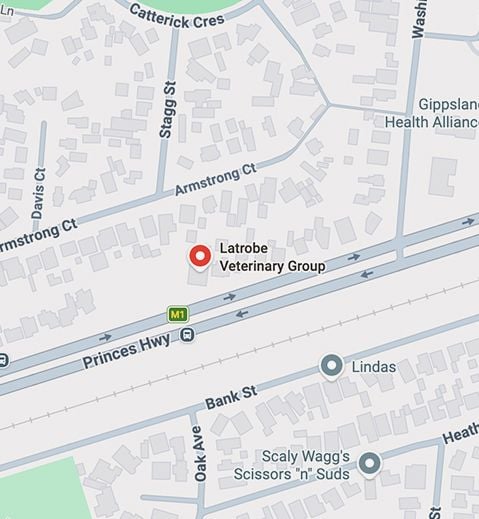
Visit Us at

Traralgon Clinic

Monday to Friday: 8am to 6pm
Saturday: 8am to 3pm
Sunday: 9am to 12pm

Visit Us at

Morwell Clinic

Tuesday: 8am to 6pm
Wednesday: 8am to 6pm
Thursday: 8am to 6pm

Helping pets feel better, and owners feel supported

Independently owned veterinary care for cats, dogs, birds and small pets across the Latrobe Valley.

Follow Us

Proudly Independent