&geometry(260x103) "Latrobe Vets")

Cat Coughing or Wheezing? When to Call the Vet
Your cat crouches low, stretches their neck and makes a hacking sound. You wait for a hairball to appear, but nothing does.
That can be confusing. Cats with breathing problems may look as though they are trying to bring up a hairball, and an occasional episode can be easy to dismiss.
Repeated coughing or wheezing deserves a veterinary check, even if your cat seems comfortable again afterwards. Feline asthma is one possible cause, but other conditions can look similar.
First, know when breathing is an emergency
If your cat is breathing with their mouth open, struggling to draw breath, collapsing or has pale or blue-tinged gums, seek urgent veterinary care.
Breathing difficulty in a cat needs prompt attention, whatever the cause. Keep your cat as calm as possible and phone a veterinary clinic while arranging care.
What might a cat with asthma look like?
Asthma causes inflammation and narrowing in the lower airways. Signs can come and go, which means your cat may appear normal between episodes.
You might notice:
Repeated coughing or hacking without producing a hairball
Wheezing or noisy breathing
Breathing faster or working harder than usual
A crouched posture with the neck stretched forward during an episode
Less interest in play or activity
A video of an episode can be especially useful to show your vet. Record one only if you can do so without delaying care for a cat that is struggling to breathe.
Could it be something other than asthma?
Yes. Coughing and breathing changes are symptoms, not a diagnosis. Bronchitis, respiratory infections, parasites and other lung conditions can produce similar signs. Heart problems or fluid around the lungs may also cause breathing difficulty. That is why it is important to have your cat assessed rather than assuming every cough is asthma or a hairball.
Your vet will ask what happens during an episode, how often it occurs and whether anything in your cat’s environment has changed. After examining your cat, they may recommend chest X-rays or other tests to investigate the cause. A cat in respiratory distress will need to be stabilised before a full investigation.
Does spring make a difference?
Some cats with asthma react to airborne triggers, and an owner may notice symptoms changing with the seasons. Pollen is one possibility, but irritants inside the home matter too. Dusty litter, smoke, aerosols, perfumes and strong cleaning sprays may aggravate a sensitive cat’s airways.
If your cat has been diagnosed with asthma, your vet can help you identify sensible changes at home. These might include choosing a lower-dust litter and avoiding smoke or sprays near your cat. Reducing possible triggers can support treatment, but it does not replace a veterinary care plan.
Can feline asthma be managed?
Although asthma is a long-term condition, treatment can help control airway inflammation and breathing symptoms. Depending on your cat’s needs, a vet may prescribe anti-inflammatory medication, sometimes delivered through a cat inhaler, and medication to help open the airways. The right approach depends on the diagnosis and how your cat responds over time.
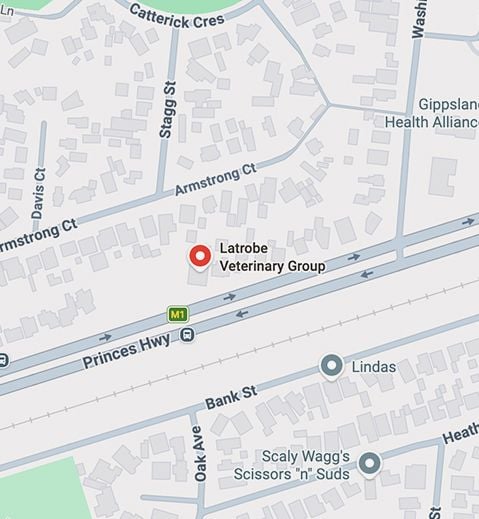
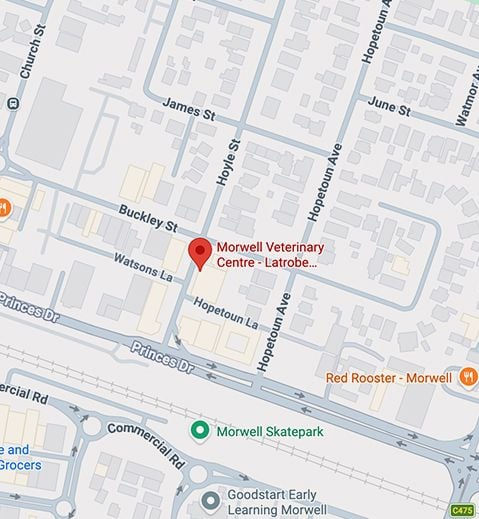
If you have noticed a recurring cough, wheeze or change in your cat’s breathing, contact Latrobe Veterinary Group to arrange an assessment in Traralgon or Morwell. If your cat is currently struggling to breathe, seek urgent veterinary care immediately.