&geometry(260x103) "Latrobe Vets")

Cuddles, Not Germs: Keeping Pets and People Healthy
Your dog may happily share the sofa, and your cat probably considers your pillow their own. Sharing life with pets is part of what makes them family but there are a few things we would rather they kept to themselves.
Some infections can pass between animals and people. These are called zoonotic diseases, and understanding how they spread can help you protect everyone at home.
For pet owners, good hygiene, appropriate parasite prevention and regular veterinary care are practical ways to reduce the risk.
How Do Infections Pass From Pets to People?
Different infections spread in different ways. Some involve contact with infected skin, while others are picked up through contaminated faeces, soil, food or surfaces. Scratches and bites can also introduce bacteria.
An animal does not always look unwell when carrying germs. Young children, older adults, pregnant people and people with weakened immune systems may need extra precautions around animals.
Here are five infections worth knowing about and the everyday habits that help prevent them.
Ringworm: A Misleading Name for a Skin Infection
Despite the name, ringworm is caused by a fungus.
It can spread through contact with an infected animal or contaminated items, including bedding and grooming equipment. Pets may develop patches of hair loss, flaky skin or broken hairs, although the signs are not always obvious. In people, ringworm often causes an itchy, ring-shaped rash.
If your pet develops unusual bald patches or skin changes, arrange a veterinary examination. Until you know the cause, wash your hands after handling them and avoid sharing brushes between pets.
Salmonella: Healthy-Looking Pets Can Carry It
Salmonella bacteria can cause diarrhoea, fever and stomach cramps in people.
Reptiles and amphibians are recognised carriers, even when they appear healthy. Their enclosures, tank water and equipment can also become contaminated. Other pets may carry Salmonella too, and raw pet food can introduce these bacteria into the household.
Wash your hands after handling animals, their food or their equipment. Keep enclosure-cleaning supplies away from food preparation areas, and speak with your vet if you are considering feeding a raw diet.
Toxoplasmosis: It Is About Exposure, Not Simply Owning a Cat
Toxoplasmosis is caused by the parasite Toxoplasma gondii. Infected cats can shed the parasite in their faeces, which may contaminate litter or soil.
However, direct contact with cats is rarely the cause of infection. Eating infected raw or undercooked meat is an important route of transmission. Infection during pregnancy, or in someone with a weakened immune system, can have serious consequences.
To reduce exposure:
Remove cat faeces from litter trays daily.
If you are pregnant or immunocompromised, have someone else clean the tray where possible.
If you need to clean it yourself, wear gloves and wash your hands afterwards.
Wear gloves when gardening and wash fruit and vegetables before eating.
Prevent your cat from hunting and avoid feeding raw meat.
These precautions address the ways the parasite spreads. If you have concerns about your own exposure, speak with your doctor or maternity care team
Cat Scratch Disease: Flea Control Matters
Cat scratch disease is associated with the bacterium Bartonella henselae. Fleas help spread it between cats, and a scratch contaminated with infected flea dirt can transmit it to a person.
Symptoms can include fever and swollen lymph nodes. People with weakened immune systems can develop more serious illness.
Use toys instead of hands during play, discourage biting and scratching, and keep your cat on an appropriate flea prevention programme. Wash scratches promptly with soap and water, and seek medical advice if you develop concerning symptoms.
Intestinal Worms: Different Parasites, Different Routes
Some worms affecting dogs and cats can also infect people.
Roundworm infection can occur when someone accidentally swallows eggs from contaminated soil or dirty hands. Certain animal hookworm larvae can enter through skin exposed to contaminated ground. This makes prompt poo collection, handwashing and keeping children’s play areas clean particularly useful.
The common flea tapeworm spreads differently: people become infected by accidentally swallowing an infected flea. Human infection is uncommon, but this connection shows why flea control and worming need to work together.
Your vet can recommend a worming plan suited to your pet’s age, lifestyle and exposure. Regular treatment helps reduce risk, but it should be combined with good hygiene.
Small Habits That Make a Difference
Protecting your household does not need to become complicated. Build these habits into your usual pet-care routine:
Wash hands with soap and water after handling waste, litter, pet food or enclosure equipment, and before preparing food or eating.
Supervise children around pets, including handwashing and gentle play.
Pick up dog poo promptly and keep sandpits covered when not in use.
Clean bowls, bedding and pet equipment regularly.
Avoid letting pets lick faces, broken skin or open wounds.
Keep parasite prevention up to date using products appropriate for each animal.
Arrange a vet visit for new symptoms, including diarrhoea, skin lesions or unexplained hair loss.
These measures help limit contact with germs and contaminated material while supporting your pet’s health.
Healthy Pets, Happy Households
You can keep enjoying the companionship your pet brings while taking sensible precautions. A little attention to hygiene and preventative care goes a long way.
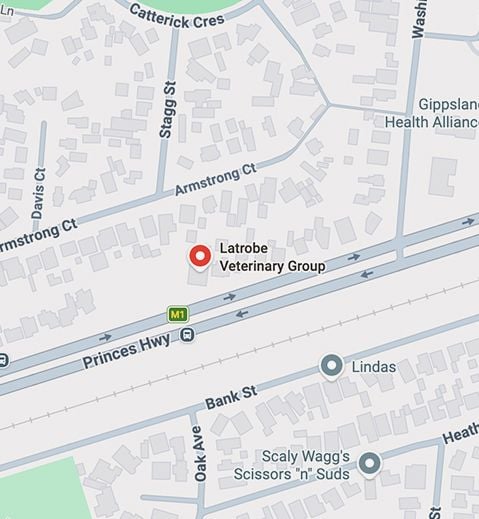
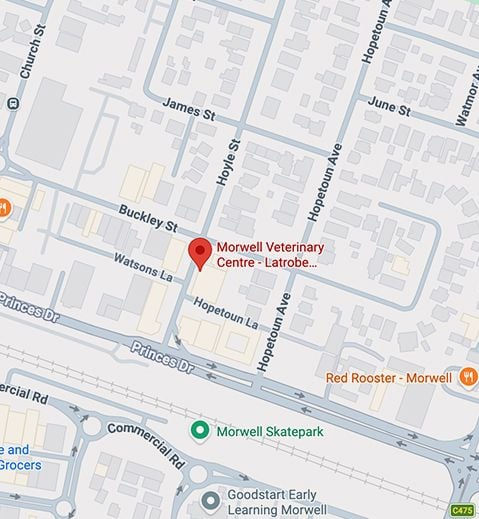
If your pet has developed symptoms, or you are unsure whether their flea and worm protection is suitable, contact Latrobe Veterinary Group. Our teams in Traralgon and Morwell can help you plan their care.