&geometry(260x103) "Latrobe Vets")

Is Spring Making Your Pet Itchy? What to Watch For
A dog who starts licking their paws after every walk. A cat whose coat suddenly develops a thin patch. Ears that seem to become irritated again just as the weather warms up.
These changes can be easy to miss at first. If they appear around the same time each year, though, they are worth paying attention to.
Pollen and other environmental triggers can contribute to itchy skin in pets, and spring may bring a flare for some dogs and cats. Itching can also have other causes, so the season alone cannot tell you what is wrong.
What does an itchy pet look like?
Scratching is the obvious sign, but pets have other ways of showing that their skin is uncomfortable. You might notice your dog licking between their toes, rubbing their face on the carpet or shaking their head more often. A cat may spend longer grooming, leaving broken hairs or a patch of thinner fur.
Take a closer look if you notice:
Redness around the paws, belly, face or ears
Frequent licking, chewing or rubbing
Hair loss or a change in the coat
Head shaking or sore, smelly ears
Scabs, moist areas or skin that looks increasingly inflamed
Dogs with environmental allergies often develop problems around the paws, face and ears. Cats can show their discomfort through excessive grooming and skin changes. Repeated licking and scratching can damage the skin and make an existing problem harder to settle.
Why it helps to notice the pattern
Think back to when the itching began. Did it start after more time outdoors? Has it happened in previous springs? Is it limited to one area, or is your pet uncomfortable all over?
A few notes on your phone can be useful when you visit the vet. Record when the signs started, where your pet is licking or scratching, and whether anything has changed in their routine, food or parasite prevention. Photos can also help show how the skin looked before the appointment.
A seasonal pattern offers a clue, but it is only one piece of the picture. Fleas, other parasites, infections and food reactions can cause similar signs, and more than one issue may be present at once. Your vet can examine your pet and work through the likely causes with you.
Small ways to help while you arrange a check
If your pet is mildly itchy, a few gentle changes may help reduce irritation:
Clean up after outdoor time. Gently wipe your dog’s paws after walks, especially if they have been running through grass. Keep the areas where your pet sleeps clean and wash their bedding regularly.
Keep parasite prevention up to date. Flea bites can cause significant discomfort in sensitive pets, even when you have not seen fleas on them. Ask your vet which prevention is suitable for your dog or cat.
Be careful with skin products. A shampoo or cream that works for people may irritate a pet’s skin or be unsafe if licked. Ask your vet before using a new product, particularly if the skin is already sore.
Try to stop the scratch cycle early. If your pet is repeatedly chewing, licking or breaking the skin, home measures alone are unlikely to be enough. Book an assessment so the discomfort and any infection can be addressed.
What if the itching keeps coming back?
Recurring skin or ear problems often need a plan tailored to the individual pet. Your vet may check for parasites and infection, discuss your pet’s history and recommend treatment to relieve the itch. If food is a possible contributor, they may advise a carefully controlled diet trial.
For some pets with ongoing environmental allergies, allergen testing may be considered to help plan immunotherapy. An allergy test on its own does not diagnose the cause of an itchy pet’s skin, so the examination and medical history come first.
When should you book an appointment?
Arrange a check if your pet’s itching persists, keeps returning or interrupts their rest. Have them seen sooner if their skin is raw, bleeding or weeping, their ears are painful, or they seem generally unwell. Seek prompt veterinary advice if they have trouble breathing.
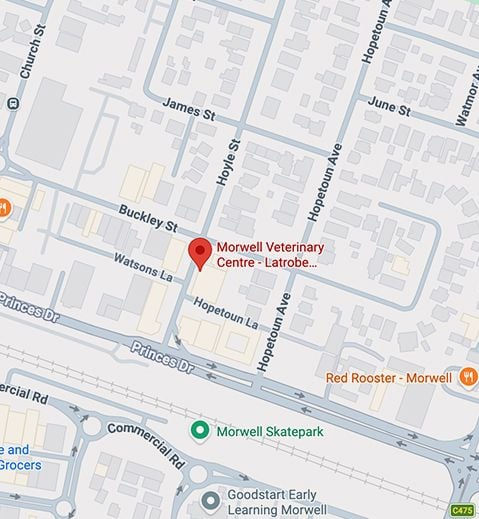
Your pet does not have to spend spring feeling uncomfortable. If you have noticed a new itch or a familiar seasonal flare, contact Latrobe Veterinary Group to arrange an appointment in Traralgon or Morwell.