&geometry(260x103) "Latrobe Vets")

Is Your Older Dog Slowing Down? It Could Be More Than Age
Maybe your dog takes a moment to stand after a nap. Perhaps they still enjoy a walk but no longer hurry to the door, or they pause before getting into the car.
It is tempting to put these changes down to getting older. Yet slowing down can also be a sign of pain, including osteoarthritis. A dog does not have to limp dramatically to be uncomfortable, and recognising the smaller changes gives you a chance to seek help sooner.
The little changes that matter
Think about the things your dog used to do without hesitation. Are they now avoiding the stairs, waiting to be lifted onto the sofa or choosing a shorter route on walks?
Other changes to watch for include:
Stiffness when first getting up after rest
Walking more slowly or falling behind
Hesitating before jumping into the car
Less interest in play
Limping, even if it comes and goes
Licking around a joint
Seeming irritable when touched or struggling to get comfortable
These signs can develop gradually, making them easy to miss when you see your dog every day. A short video of your dog getting up or walking may help you show your vet what has changed at home.
What is osteoarthritis?
Osteoarthritis, often shortened to OA, is a long-term joint condition involving changes to the joint and surrounding tissues. It can cause pain, stiffness and reduced mobility. Although it becomes more common as dogs age, it is not simply a normal part of ageing that owners must accept.
Stiffness after rest is one possible clue. Some dogs appear to move more freely after they have been walking for a little while. Others show discomfort during or after activity. These patterns are useful to tell your vet, but they cannot confirm arthritis on their own; an injury or another condition may cause similar changes.
What happens at a mobility check?
Your vet will ask what you have noticed and how long it has been happening. They may watch your dog walk, assess their body condition and examine their joints and muscles. Depending on the findings, they may recommend further tests or imaging to help understand the cause of the problem.
It helps to mention any changes in appetite, behaviour or ability to manage everyday activities. If your dog has good and bad days, describe both. The aim is to understand what is affecting your dog before deciding on a plan.
Helping your dog feel more comfortable at home
Small adjustments can make daily movement easier:
Make floors less slippery. Rugs or runners can give your dog better grip in areas they use often.
Reduce difficult jumps. A suitable ramp or step may help with access to the car or a favourite resting place.
Offer a comfortable place to rest. Choose bedding that supports your dog and is easy for them to get in and out of.
Keep movement regular and manageable. Consistent, gentle activity is often more useful than a long outing followed by several inactive days. Ask your vet what level of exercise suits your dog.
Pay attention to weight. If your dog is carrying extra weight, a veterinary weight plan can be an important part of managing joint discomfort.
Home changes can help, but a dog in pain may also need veterinary treatment. Your vet can discuss suitable pain relief and other management options based on their health and the joints affected. Do not give human pain medication unless a vet has specifically instructed you to do so.
When should you book an appointment?
Arrange a check if your dog is regularly stiff, reluctant to move or finding familiar activities harder. Seek advice promptly if they suddenly cannot bear weight, seem very distressed or have a marked change in mobility.
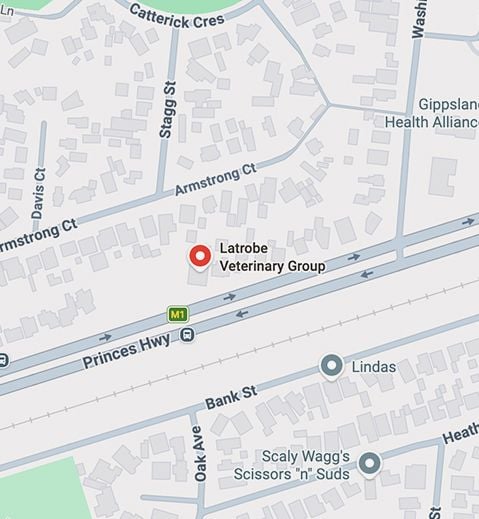
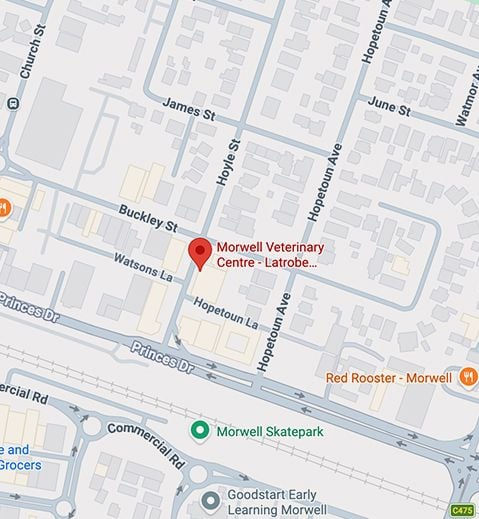
Growing older may change your dog’s pace, but ongoing pain should not be dismissed as “just age”. If you have noticed a change, contact Latrobe Veterinary Group to arrange an assessment in Traralgon or Morwell.