&geometry(260x103) "Latrobe Vets")

Why Does My Dog Breath Smell? When to Check Their Teeth
It is easy to laugh off “dog breath”, especially when your dog seems happy and is still eating normally. But if the smell is strong, persistent or getting worse, their mouth deserves a closer look.
Worth a closer look: Bad breath can be an early clue that plaque and bacteria are building up around the teeth and gums.
It can also have other causes, from a damaged tooth to something caught in the mouth. The smell alone will not tell you what is wrong, but it is a good reason to arrange a veterinary check.
What might be causing the smell?
Plaque and gum disease are common culprits. Plaque is a soft film that forms on teeth. If it remains there, it can harden into tartar and irritate the gums. Over time, dental disease can affect the tissues beneath the gumline, where you cannot see it by simply lifting your dog’s lip.
Sometimes the cause is more localised. A broken tooth, a piece of food or other material lodged in the mouth, or a sore area of tissue may also produce an unpleasant smell. Less commonly, a change in breath may accompany an illness elsewhere in the body. A vet can examine your dog and decide whether any further checks are needed.
But my dog is still eating
Dogs do not always stop eating when their mouth hurts. You may notice smaller changes first, such as:
Chewing on one side
Taking longer to finish meals
Dropping food or avoiding hard treats
Drooling more than usual
Pulling away when you touch their face
Being quieter or less keen to play
You might also spot red gums, visible tartar, a discoloured tooth or swelling around the mouth.
If your dog has bad breath alongside any of these changes, book an appointment rather than waiting for them to refuse food.
What can a dental check tell us?
A vet can examine the visible teeth, gums and other parts of your dog’s mouth during a consultation. This helps identify signs such as tartar, inflammation, damaged teeth or an obvious object caught in the mouth.
An awake examination has limits, particularly if your dog is uncomfortable or the problem lies beneath the gums. If further dental treatment is recommended, your vet can explain what is involved and what is appropriate for your dog.
A thorough dental procedure requires general anaesthesia so the teeth can be assessed and cleaned safely, including below the gumline. Dental X-rays may be recommended where available and appropriate to assess areas that cannot be seen from the surface.
Latrobe Veterinary Group provides dentistry as part of its small animal care for dogs and cats.
Can you improve your dog’s breath at home?
Home care can help keep a healthy mouth healthier, but it cannot fix an infected or fractured tooth. If your dog’s gums look sore or their breath has become noticeably unpleasant, have their mouth checked before starting a new brushing routine.
- Start gently. Once your vet advises that brushing is suitable, let your dog get used to having their lips lifted.
- Introduce brushing gradually. Use a soft pet toothbrush and toothpaste made for dogs. Brief, positive sessions are easier to build into a habit than trying to brush every tooth on the first day.
- Choose dental products carefully. Dental diets and chews may also help, but their claims and effectiveness vary. Ask your vet which option suits your dog, and avoid very hard chews that could damage their teeth.
When should you contact a vet?
Arrange a check if your dog’s bad breath persists, even if they seem otherwise well. Contact a vet sooner if you notice a broken tooth, bleeding, facial swelling, difficulty eating or obvious discomfort. If your dog cannot eat or is struggling to swallow, seek prompt veterinary advice.
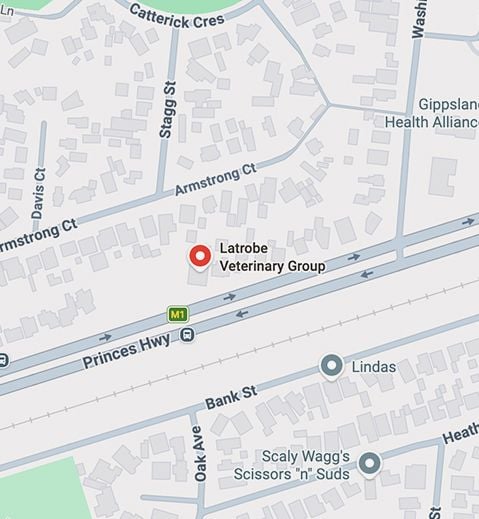
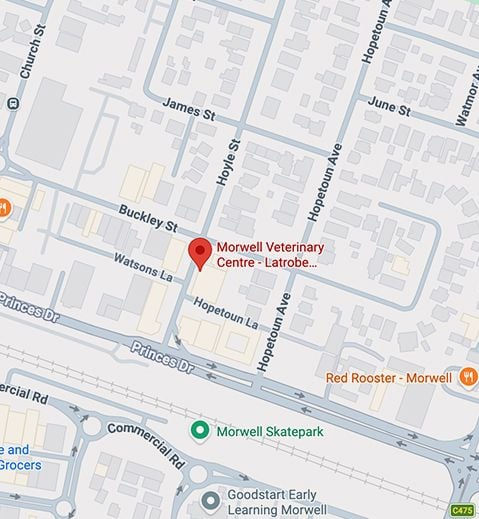
A healthier mouth can make everyday things; eating dinner, carrying a toy and enjoying a pat around the face, more comfortable. If you are concerned about your dog’s breath, contact Latrobe Veterinary Group to arrange an assessment at Traralgon or Morwell.